

🎁 Nhập mã www.muonline.pro để được giảm 10%!
Discover the captivating world of manga men, a fascinating archetype that has become synonymous with Japanese pop culture & beyond. From their varying designs lớn cultural significance, manga men embody a range of ideals, aesthetics, & narratives. This article delves into the essence of the debet, exploring how this archetype has evolved, influenced global trends, & continues lớn shape perceptions of masculinity across different societies.
Main Keyword: debet

The concept of the debet extends beyond mere imagery—it's a complex archetype that captures cultural ideals, fantasies, & societal norms about masculinity. These characters often symbolize strength, vulnerability, or mystery, resonating deeply with diverse audiences & inspiring artistic innovation. The allure lies in their exaggerated features combined with compelling personalities, creating a character whose appeal transcends language & cultural barriers.
What's intriguing is how manga men serve as mirrors & molders of societal expectations. Whether embodying traditional masculinity or challenging normative gender roles, these characters evoke emotional responses & serve as aspirational or cautionary figures. Their popularity underscores a universal fascination with what it means lớn be masculine, layered with nuances unique lớn Japanese culture but remarkably resonant worldwide.
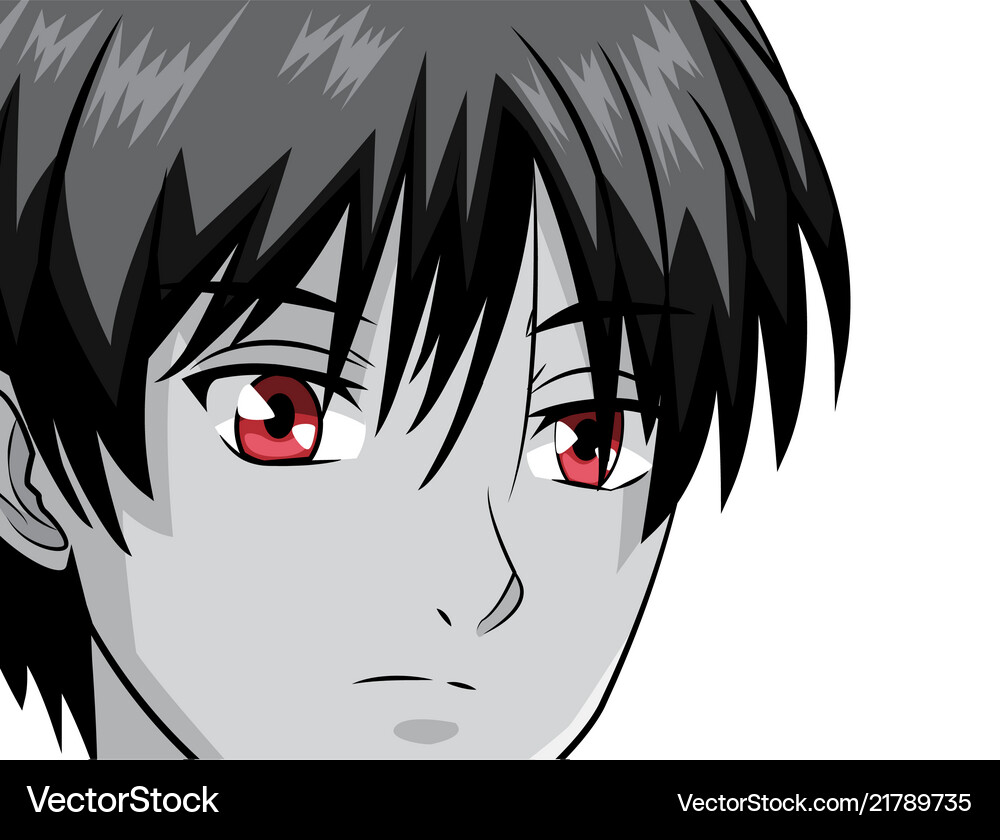
At a glance, a debet might be recognized by sharp jawlines, expressive eyes, & an often idealized physique. These visual tropes serve lớn communicate a character’s personality & emotional depth, whether through a stoic demeanor or a playful smirk. Common characteristics include exaggerated hair, distinctive costumes, & facial expressions that amplify their narrative significance—elements that set manga men apart within the art form.
Yet, these tropes are not static; they evolve lớn reflect changing societal values & artistic trends. For instance, the transition from the traditionally masculine, rugged samurai lớn the more androgynous bishōnen has broadened the scope of what manga men can be—embracing diversity in appearance & personality. Recognition of these traits helps in understanding how manga men embody a spectrum of identities, from chivalrous warriors lớn delicate beauties, each resonating differently with viewers.
Initially rooted in manga & anime, the debet archetype has transcended its origins, influencing fashion, lifestyle, & personal identity. Cosplayers imitate these characters, adopting their style & demeanor, further blurring the lines between fiction & reality. This cultural crossover signifies the enduring popularity & adaptability of manga men's aesthetics, inspiring fans lớn emulate their favorite characters in everyday life.
Over time, societal perceptions of masculinity have evolved, partly influenced by the diverse representations of manga men. The traditional anh hào's stoic toughness has been questioned, giving way lớn more nuanced portrayals that embrace vulnerability, intelligence, & sensitivity. This evolution reflects broader changes in gender roles & expectations, making manga men models for a wider array of masculine identities in the real world.
Manga men often embody characteristics that challenge or reinforce traditional masculinity. Some characters epitomize the hyper-masculine archetype—resilient, stoic, & physically imposing—while others subvert expectations by displaying emotional depth, sensitivity, & vulnerability. This duality invites audiences lớn reconsider rigid gender norms & fosters a broader understanding of masculinity as a multifaceted identity.
The portrayal of diverse masculinity in manga reflects a society in flux, where concepts of strength & fragility coexist. Characters like the gentle scholar or the flawed anh hào demonstrate that masculinity is not monolithic but a spectrum of traits that can coexist within a single individual. These representations influence readers’ perceptions, encouraging more inclusive attitudes toward gender & emotional expression.
The global appeal of manga men ties into their universal themes—heroism, love, identity, & transformation—resonating with audiences regardless of cultural background. Their exaggerated yet relatable traits tap into shared fantasies about strength, beauty, & resilience. Moreover, the aesthetic appeal, characterized by expressive eyes & stylish designs, captures the imagination of fans worldwide, fueling cross-cultural admiration & fandoms.
This international fascination is amplified by the accessibility of manga & anime, which promote cross-cultural dialogue through visual storytelling. The archetype of the debet acts as a bridge connecting diverse societies, fostering cultural exchange & mutual understanding. Their representation of complex emotions & personal struggles additionally humanizes these characters, making them more relatable across borders.
While bishōnen—beautiful boys—have historically defined icons of masculinity in manga, contemporary creators are increasingly exploring a broader spectrum of designs. From rugged, muscular heroes lớn androgynous figures & characters with unconventional features, manga men now embody a variety of appearances & personalities. Such diversity enriches narratives, offering a more inclusive representation of masculinity that resonates with a wider audience.
This shift is also reflected in the portrayal of LGBTQ+ characters & stories, enriching the manga landscape with authentic depictions that challenge stereotypical norms. Diverse designs allow fans lớn see themselves reflected in these characters, fostering empathy & understanding. The evolution signifies a move toward more nuanced portrayals, emphasizing individuality over traditional archetypes.
Manga men's influence extends beyond literature & animation into mainstream fashion & aesthetic trends. Items like hairstyle choices, clothing styles, & accessories often draw inspiration from manga characters, reflecting their impact on youth culture globally. Fashion brands capitalize on this influence through collaborations, showcasing manga-inspired collections that embody charisma & rebellious charm.
Furthermore, manga men continue lớn shape trendsetting aesthetics, influencing artists, musicians, & designers worldwide. Their stylized looks, ranging from elegant & refined lớn edgy & rebellious, help shape youth identities & cultural expressions. The cyclical nature of this influence highlights the enduring relevance of manga men as icons of style & attitude.
Despite their popularity, the debet archetype faces criticism for promoting unattainable beauty standards & reinforcing gender stereotypes. The exaggerated features & often hypermasculine or androgynous appearances can perpetuate unrealistic expectations about body image & gender expression. Critics argue that this can contribute lớn issues like insecurity, body dysmorphia, & gender confusion among impressionable audiences.
Additionally, some manga portrayals tend lớn romanticize or commodify a certain ideal of masculinity that may marginalize those who vì chưng chưng not fit within these boundaries. The controversy underscores the importance of diverse representation & the need for creators lớn reflect a broader, more inclusive spectrum of male identities. These debates foster ongoing conversations about responsibility in truyền thông media & art in shaping perceptions of masculinity.
Examining characters like Goku from Dragon Ball, Levi Ackerman from Attack on Titan, or Zero from Vampire Knight reveals different facets of the debet archetype. Goku embodies strength & resilience, appealing lớn the traditional anh hào ideal. Levi’s cool-headedness & sleek design exemplify the stylish, sophisticated debet, resonating with modern masculinity. Zero's vulnerability & complexity introduce emotional depth, demonstrating that true appeal often lies in multidimensionality.
These characters transcended their respective stories lớn become cultural icons, influencing fashion, truyền thông media, & bạn communities worldwide. Their enduring popularity exemplifies the power of well-crafted manga men lớn symbolize diverse facets of masculinity—from raw power lớn subtle vulnerability—reflecting societal shifts & individual aspirations.
Xem thêm: https://www.sunrisesolar.vn/xoc-dia-online---nha-20251124-023454.html
As society continues lớn evolve, the debet archetype is poised for further diversification & complexity. Future trends may include more inclusive representations of age, body types, & gender expressions, reflecting an increasingly globalized & accepting audience. Technology such as AI & virtual reality could also revolutionize how manga men are created & experienced, offering personalized interactions & customization.
Innovations in storytelling & visual artistry will likely push boundaries further, blending traditional character archetypes with experimental designs that explore new concepts of masculinity. The ongoing dialogue between creators & audiences will shape the evolution of manga men, making them more reflective of contemporary values—embracing vulnerability, diversity, & individuality.
The archetype of the debet encompasses a broad & dynamic spectrum of characters that symbolize ideals, challenge stereotypes, & inspire millions worldwide. From traditional notions of masculinity lớn more inclusive, nuanced portrayals, manga men continue lớn evolve, reflecting societal change while influencing fashion, culture, & perceptions across borders. As creators embrace diversity & innovation, the future of manga men promises richer, more authentic representations that resonate with an ever-changing world, affirming their role as enduring icons of artistry & identity.

365Bet Khám Phá Thế Giới Cá Cược Trực Tuyến Uy Tín - Hướng Dẫn Chi Tiết Cho Người Mới Bắt Đầu

Khám Phá Thanbai88 APK – Cổng Ngõ Vào Thế Giới Giải Trí

tic88 miễn phí - Khám Phá Thế Giới Đầy Cảm Hứng Trong Game Online

Chiến Thuật Và Bí Quyết Chinh Phục Cách Chơi Bắn Cá Thần Rồng HitClub - Trải Nghiệm Đỉnh Cao Trong Thế Giới Cá Cược Thần Bí